Live database

The home robot database, curated for robots that matter.

ui44 tracks the home and humanoid robots worth comparing, with verified specs, prices, and buyer context. It is curated, not a commodity SKU dump.

410+
Robots
254+
Makers
9
Categories
175+
Prices

Rotating spotlight

Active
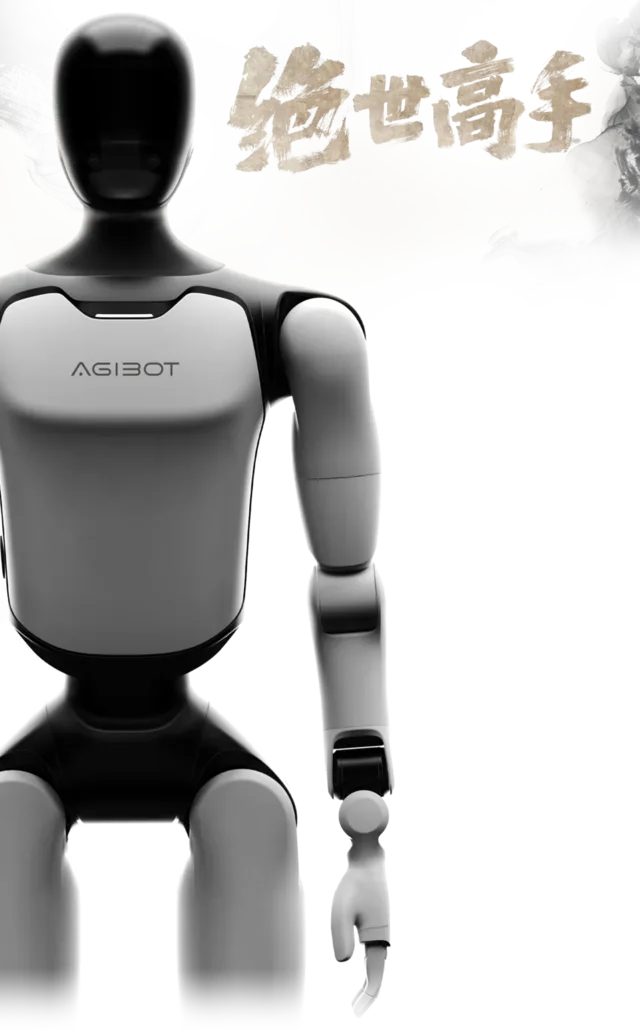
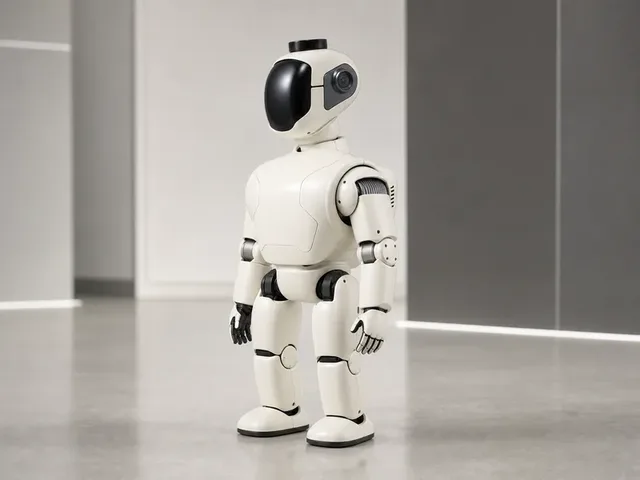
Expedition A3 by AGIBOT

Expedition A3

AGIBOT · Humanoid

Compare release timing, specs, pricing, and buyer fit before deciding whether a robot is real, early, or worth waiting on.

$45,000

Tracked price · Jul 16, 2026

2026-04

Release

173cm

Height

Up to 10 hours (dual 1,152 Wh hot-swappable battery system)

Battery

Open full profile

Browse by Category

Find the perfect robot for your needs — from household helpers to humanoid companions.

Next-gen Picks

Next-Gen Robot Mix

Rotating humanoids, companions, quadrupeds, home assistants, and other future-facing robots — not commodity cleaner slots.

G2 Air by AGIBOT — Commercial robot
AGIBOT

G2 Air

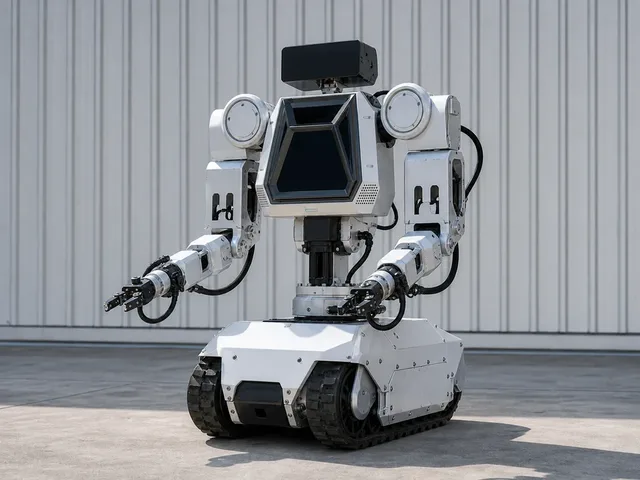
AGIBOT G2 Air is a compact single-arm mobile manipulator unveiled with the company's 2026 Partner Conference hardware lineup. It is designed for light-duty human-in-the-loop collaboration in retail, hospitality, logistics, and structured industrial workflows. AGIBOT's launch materials specify a 7-DOF arm, 3 kg payload, 750-800 mm reach, sub-800 mm width, speeds of at least 1.5 m/s, zero-radius turning, real-time task/data capture during operation, and an upgrade path from assisted operation toward fuller autonomy.

Commercial
Price TBA Development
W1 by Zeroth Robotics — Home Assistants robot
Zeroth Robotics

W1

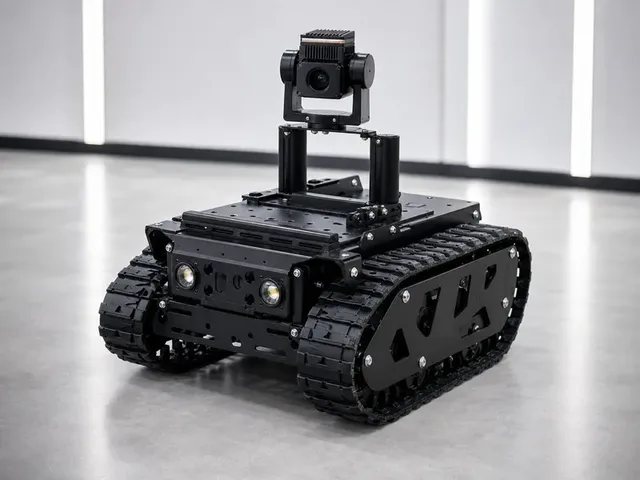
Zeroth Robotics W1 is a tracked mobile assistant that Zeroth launched for the US at CES 2026 and now lists on its official store. The robot is designed to follow users, transport gear, patrol indoor and outdoor spaces, and provide camera-based monitoring and portable power. Official product materials highlight a 20kg load capacity, 50kg traction rating, LiDAR and RGB-based perception, and terrain handling for grass, gravel, slopes, and other uneven ground.

up to 25 h28 kg
$7,999 Available
Tobi by Twolabs — Humanoid robot
Twolabs

Tobi

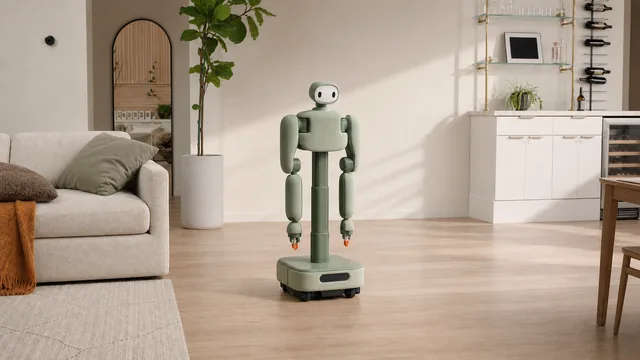
Tobi is Twolabs' first semi-humanoid caregiving robot design for nursing homes and senior living communities. The company describes a modular humanoid platform for recording demonstrations, training skills, and deploying autonomous robots, while its Y Combinator launch says Tobi is aimed at everyday elder-care support such as feeding, dressing, medication reminders, fetching objects, mobility support, wayfinding, and companionship. Twolabs says the prototype design is complete, vision-language-action model training is active, and the social intelligence layer is under development. Public materials do not yet disclose pricing, pilot availability, dimensions, weight, runtime, payload, detailed sensor hardware, or a production release date.

Humanoid
Price TBA Development
TIAGo Pro by PAL Robotics — Research robot
PAL Robotics

TIAGo Pro

TIAGo Pro is PAL Robotics' next-generation open-source mobile manipulator for advanced research and applied development. The official product page lists a dual-arm configuration with two 7-DoF torque-sensed arms, 3 kg payload per arm, quick tool changers, PAL parallel grippers, a 35 cm lifting torso, an RGB-D expressive head, dual 360-degree LiDAR, an omnidirectional Mecanum base, and ROS 2 software integrations including MoveIt 2, Nav2, ros2_control, MuJoCo, and Gazebo. PAL showed live TIAGo Pro teleoperation at MWC Barcelona 2026 and plans further ICRA 2026 demonstrations around navigation, manipulation, perception, data collection, and embodied AI; public pricing, battery autonomy, robot weight, and final customer configurations remain quote-only or undisclosed.

Research
Price TBA Active
Mirumi by Yukai Engineering — Companions robot
Yukai Engineering

Mirumi

Mirumi is a tiny clip-on companion robot from Yukai Engineering designed to create brief, playful moments of eye contact and curiosity in public or at home. Instead of navigating or speaking, it hangs from a bag strap or handle and reacts with shy glances, head turns, spontaneous motions, and touch-triggered responses. Official materials describe an onboard behavior algorithm fed by touch and sound sensing, while launch coverage and retail details confirm an approximately 155 g body, about 8 hours of battery life, and USB-C charging. Japan sales began in April 2026, and the official Japan store currently lists color pre-orders for late-July 2026 delivery.

~8 h155 g
¥19,800 Available
Vbot SuperDog by Vbot — Quadruped robot
Vbot

Vbot SuperDog

Vbot SuperDog is Vbot's consumer-grade embodied-AI quadruped robot dog, launched in China on December 23, 2025, shown globally at CES 2026, and listed on Vbot's official product page as a remote-free intelligent robot dog. The official page describes binocular depth vision, 16-line LiDAR, a four-microphone array, 128 TOPS AI compute, a self-developed spatial foundation model, large-language-model voice interaction, intelligent following, navigation, generative actions and dances, and a modular expansion backplate for cargo, camera, and towing accessories. Vbot's CES release says SuperDog demonstrated voice-command navigation through crowded halls, proactive following, obstacle avoidance, beverage delivery, a 12 kg payload, and up to 100 kg towing; independent CES coverage from TechNode and URDesign corroborated the demo, consumer positioning, and Q2 2026 global-edition availability target. Chinese availability reports said mass-production delivery began on May 8, 2026, with the first 500 units completed and larger delivery volumes planned through June.

~3–5 h~15 kg
Price TBA Available
Figure 02 by Figure AI — Humanoid robot
Figure AI

Figure 02

Figure AI's second-generation humanoid robot, unveiled August 6, 2024. Built for industrial deployment with integrated cabling, torso-mounted battery, and 3x the onboard AI compute of its predecessor. Deployed at BMW's Spartanburg plant where it contributed to the production of over 30,000 cars across 1,250+ hours of runtime. Officially retired following the launch of Figure 03 in October 2025.

70 kg168 cm
Price TBA Discontinued
M1 by Zeroth Robotics — Companions robot
Zeroth Robotics

M1

Zeroth Robotics M1 is a compact home companion robot that Zeroth introduced with its US launch at CES 2026 and now promotes through a dedicated product page plus a reservation flow. Official materials position M1 as an 'embodied intelligence' robot for home companionship, gentle fall detection, mobile safety checks, daily assistance, kid-focused interactive learning, pet behavior monitoring, and remote family interaction. The robot combines a 20-DoF body with both bipedal and wheeled mobility, whole-home LiDAR mapping, iTOF depth sensing, vision-based recognition and obstacle avoidance, multilingual conversation, and an open platform for programming, VR, and reinforcement-learning experimentation.

~2 h494 mm
$2,499 Available

Market Snapshot

A quick overview of the home robot market by category and price.

Robots by Category

The full catalog grouped by primary category

Robots by Category
Category Robots Available
Humanoid 127 73(57%)
Cleaning 62 49(79%)
Companions 53 27(51%)
Research 49 23(47%)
Commercial 44 34(77%)
Lawn & Garden 29 20(69%)
Quadruped 25 17(68%)
Home Assistants 16 6(38%)
Security & Patrol 5 3(60%)

Price Distribution

175 priced of 410 total · 235 pricing TBD

Price Distribution
Band Count Share
Under $500 23 13%
$500–$1,000 26 15%
$1,000–$5,000 72 41%
$5,000–$20,000 20 11%
$20,000+ 34 19%

The Home Robotics Market in 2025–2026

A comprehensive overview of where the industry stands and how to navigate it.

From robot vacuums to humanoid companions — the market spans $125 to $1.9M and is growing fast.

Why Home Robots Matter Now

AI & Hardware Convergence

AI and falling hardware costs are making capable robots accessible to everyone.

  • LLMs enable natural language commands and multi-step reasoning
  • Computer vision recognizes objects, faces, and room types in real-time
  • Sensor and compute costs have dropped 60%+ in five years
  • Consumer acceptance growing — robots transitioning from novelty to necessity

Demographic Demand

Global demographic shifts are accelerating robot adoption.

  • Aging populations need daily-task assistance and health monitoring
  • Labor shortages driving commercial service robot adoption
  • Government incentives: tax credits, grants, and innovation programs
  • Multi-generational households increasingly rely on robotic assistance

$50B Market by 2030

The consumer robotics market is projected to exceed $50B by 2030.

  • Technology maturity meeting mainstream consumer readiness
  • Robots shifting from luxury novelty → essential household tool
Cleaning Lawn care Companions Humanoids

Global Manufacturing Landscape

A truly global industry with distinct regional strengths.

CN

China

Consumer cleaning robots — Roborock, Ecovacs, Dreame

US

United States

Humanoids & AI platforms — Tesla, Figure AI, Boston Dynamics

JP/KR

Japan & South Korea

Precision engineering — Honda, SoftBank, Samsung, LG

EU

Europe

Safety-certified professional & outdoor platforms — Denmark, Germany

Geographic diversity = competing design philosophies, better prices, more choice.

Explore by country →

Investment and Innovation Trends

Invested in robotics startups in 2024

$7B+

  • Google, Amazon, Nvidia, Microsoft investing heavily in robotics
  • Open-source frameworks lowering barriers for new entrants
  • Accelerated development across all price segments

Hottest investment areas

General-purpose humanoids AI navigation Multi-function platforms Open-source frameworks

How to Use ui44

Robot Buying Guide

How to choose the right robot — a step-by-step decision framework.

1

Define Your Primary Use Case

Before comparing specs, answer one question: what specific problem will this robot solve?

+ 3 more categories — view all

2

Set Your Budget

Under $1k 50 robots

Consumer-grade cleaning robots, basic companions, and entry-level lawn mowers. Mature, reliable, everyday products.

$1k–$10k 80 robots

Premium robots with LiDAR nav, AI recognition, quadruped platforms, and sophisticated companion robots.

Over $10k 45 robots

Professional, commercial, and cutting-edge platforms. Humanoids, industrial quadrupeds, and research platforms.

3

Evaluate Key Specifications

Navigation

LiDAR vs camera-based SLAM determines coverage efficiency.

Battery Life

Runtime per charge determines real-world productivity.

Sensor Suite

More sensors mean better awareness and safer operation.

Connectivity

Smart home compatibility: Alexa, Google Home, HomeKit.

AI Capabilities

Object recognition, voice understanding, adaptive behavior.

Component Directory

Explore all sensors, AI platforms, and connectivity options →

4

Check Availability and Support

Look for the status badge on each robot page:

Available Buy it today
Pre-order Reserve now, ships later
Development Not yet commercially available

Also check the manufacturer's track record for updates, warranty, and regional support. Companies with multiple products tend to provide more reliable long-term support.

5

Compare Your Top Picks

Narrowed it down to 2–3 candidates? Put them side by side.

  • Compare up to 4 robots at once
  • Toggle "differences only" to spot trade-offs
  • Share comparison URLs with others
Open comparison tool →

Key Technologies Powering Home Robots

Understanding the core technologies behind modern robots helps you evaluate products more effectively. These six foundations differentiate today's robots from the simple machines of a decade ago.

SLAM Navigation

Simultaneous Localization and Mapping builds a digital map while tracking the robot's position — enabling multi-room navigation and efficient coverage patterns.

Computer Vision

Neural networks trained on millions of images identify objects in real-time — from shoes and cables to faces and room types — powering smart obstacle avoidance.

Large Language Models

LLMs enable robots to understand complex commands like "clean the kitchen but skip around the dog bowl" and reason about multi-step tasks in plain language.

Sensor Fusion

Combining LiDAR, cameras, ultrasonic, IMUs, and infrared into a single perception model for richer environmental awareness than any sensor alone.

Battery & Actuators

Advances in lithium-ion energy density and electric actuator design are extending runtime and enabling smoother, stronger, more efficient movement.

Cloud vs Edge AI

Cloud processing offers powerful models; edge computing ensures speed and offline operation. The best robots use a hybrid approach for both.

Product Pipeline

From commercially shipping models to lab prototypes — understanding the pipeline helps you decide whether to buy now or wait.

Available Now

252

Pre-order

55

In Development

56

Prototype

40

Discontinued

7

Buying Now

  • 252 robots across 9 categories from 149 manufacturers
  • Average price: $54.6k (range: under $500 to $100k+)
  • Proven real-world capability — user reviews and support track records exist
  • Genuine competition drives better features and lower prices
  • Categories range from budget cleaning to premium humanoid platforms
  • Filter by status on the robots page to see buyable options instantly
Browse available robots →

Pre-orders & Upcoming

  • 55 robots accepting reservations — shipping in coming months
  • Pre-orders can offer early access to next-gen improvements
  • Risk: final specs may differ, shipping timelines may slip
  • Attractive when new models offer major improvements over current options
  • Always verify manufacturer delivery history before committing funds

Tip: Check manufacturer profiles for delivery track records before committing.

In Development

  • 56 robots across 51 manufacturers
  • Pioneering: bipedal locomotion, whole-body manipulation, AI task understanding
  • Reveals manufacturer priorities and technology directions
  • Caution: history shows frequent delays, scaled-back features, and cancellations
  • If next-gen capabilities would make current models obsolete, consider waiting
  • A proven available robot is often worth more than a promised future one

Recent Launches

  • 342 robots released in 2024+ — strong ongoing momentum
  • Well-established market with robust competition — not experimental tech
  • More options coming, but today's robots are proven and supported
  • Best time to buy depends on your needs, budget, and early-adopter tolerance
  • Bookmark newest robots to stay current with product announcements
View newest robots →

Global Innovation in Home Robotics

How regions, manufacturers, and technology trends are shaping the future of consumer robotics.

The home robotics industry is a worldwide effort — manufacturers across multiple continents bring different regional strengths in AI, manufacturing, and engineering.

Unique sensor types

1,193

Connectivity standards

428

Distinct capabilities

3,845

Manufacturers worldwide

254

No standard architecture exists

Two robots at the same price may use completely different navigation (LiDAR vs. camera), interaction (voice vs. touch), and intelligence (cloud vs. edge). Component choices affect long-term reliability, update cadence, and smart home integration. The components directory helps you understand what each technology actually does and how it impacts your buying decision.

The Home Robot Landscape

The market is organized into 9 distinct categories, each addressing specific needs. Understanding them helps you find robots that match your requirements and budget.

Frequently Asked Questions

About ui44
What is ui44?
ui44 is the Home Robot Database — an actively maintained, curated catalog of 410 home and humanoid robots from 254 manufacturers. We track verified specifications, prices, capabilities, components, and status for the notable robots we have researched deeply enough to normalize into the database. Our goal is to be a trustworthy research and comparison resource for people shortlisting home robots.
How many robots does ui44 track?
ui44 currently tracks 410 robots from 254 manufacturers across 9 categories. Of these, 252 are currently available for purchase or deployment. We continuously add new robots as they are announced and update existing entries as specifications change or new information becomes available.
How often is the database updated?
ui44 is continuously maintained. We update robot specifications when manufacturers release new data, add new robots as they are announced, and track status changes (such as a robot moving from Development to Available). Each robot page shows a 'last verified' date indicating when its data was most recently confirmed against official sources.
How does ui44 differ from other robot comparison sites?
ui44 focuses specifically on home, consumer, and humanoid robots — not industrial automation or surgical robots. We provide deeper technical detail than most comparison sites, including full sensor breakdowns, component analysis, capability mapping, and manufacturer context. Every piece of data is sourced from official manufacturer documentation and independently verified.
Is ui44 free to use?
Yes, ui44 is completely free. All robot specifications, comparisons, component data, buyer journey guides, and manufacturer profiles are available at no cost. Our mission is to make home robotics research accessible to everyone — whether you are a first-time buyer, a technology journalist, an industry analyst, or an academic researcher studying the evolution of consumer robotics.
Using the Database
What types of robots are in the database?
The database covers 9 categories of home and consumer robots: Humanoid, Cleaning, Companions, Research, Commercial, Lawn & Garden, Quadruped, Home Assistants, Security & Patrol. Each category represents a distinct use case, from floor cleaning to warehouse automation to elderly companionship. Categories range in size from a few robots to dozens, reflecting the maturity of each market segment.
How do I compare robots on ui44?
Use our comparison tool to evaluate up to four robots side by side. The comparison view shows specifications, prices, capabilities, sensors, connectivity, and compatibility in a structured table format, making it easy to spot differences and trade-offs between models. You can also browse category pages and manufacturer pages for curated comparison contexts.
Can I filter robots by price, category, or manufacturer?
Yes. The all robots page includes filters for category, manufacturer, status, and sort options including price (low to high and high to low). You can also search by any keyword using the search page, which indexes every attribute in the database.
Are these robots available for purchase?
Some are, some aren't — it depends on the robot. Each robot in our database has a status field: "Available" means it is currently sold commercially, "Pre-order" means it can be reserved, "Development" means it is still being built, and "Prototype" means it exists only as an early model. We track 252 currently available robots. Always check the manufacturer's official website for the latest purchase information.
Can I track when new robots are added to the database?
Yes — the database is continuously updated as manufacturers announce or release new products. The newest robots page shows recently added entries sorted by release date. You can also browse the news section for industry announcements and product launches, or check our blog for in-depth analysis of market trends and significant new releases.
Technology & Buying
What is the cheapest robot in the database?
The most affordable robot currently tracked is the StackChan by M5Stack, priced at $125. Price ranges vary dramatically by category — cleaning robots tend to be the most affordable, while humanoid and research robots command premium pricing.
What do the robot components and sensors mean?
Our components directory provides detailed explanations of every sensor, connectivity option, AI platform, and voice assistant used across the robots in our database. Each component page explains what the technology does, how it works, and which robots use it. For a quick overview, check the components glossary.
Which countries manufacture the most home robots?
The home robotics industry is truly global. China leads in consumer cleaning robots through companies like Roborock, Ecovacs, and Dreame. The United States dominates humanoid and AI platform development with Tesla, Figure AI, and Boston Dynamics. Japan and South Korea bring precision engineering expertise through Honda, SoftBank, Samsung, and LG. European manufacturers — particularly from Denmark and Germany — focus on safety-certified professional and outdoor platforms. Explore our countries page for a complete geographic breakdown of the industry.
What is the most expensive robot in the database?
Robot prices range dramatically — from budget cleaning robots under $200 to enterprise humanoid platforms exceeding $100,000. The most expensive category is humanoid robots, where development costs, advanced actuators, and sophisticated AI drive premium pricing. Commercial quadrupeds and research platforms also command five-figure price tags. Use the robots page sort options to explore the full price spectrum from budget to premium.
What are buyer journeys and how do they help?
Buyer journeys are guided paths that match your specific goal — like setting up smart cleaning, home security, or elderly companionship — to the right combination of robot category, components, and budget. Each journey walks you through the key decisions, trade-offs, and component requirements for that particular use case, helping you make an informed purchase decision rather than getting overwhelmed by the full database.
How do I know which sensors and components matter for my use case?
Different robot categories prioritize different technology stacks. Cleaning robots depend heavily on navigation sensors (LiDAR, cameras) and mapping software. Companion robots focus on voice recognition, facial detection, and emotional AI. Security robots need night vision, motion detection, and reliable connectivity. Our component directory explains each technology in plain language, and individual category pages highlight which components matter most for that category.