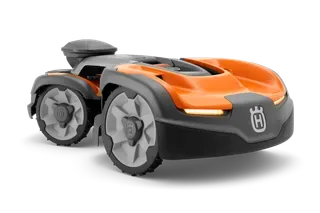
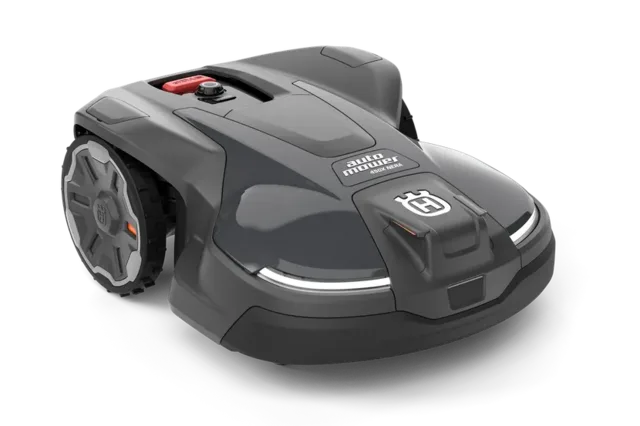
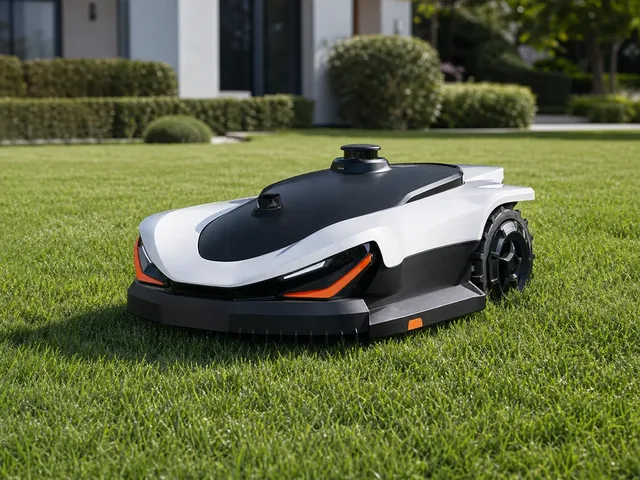
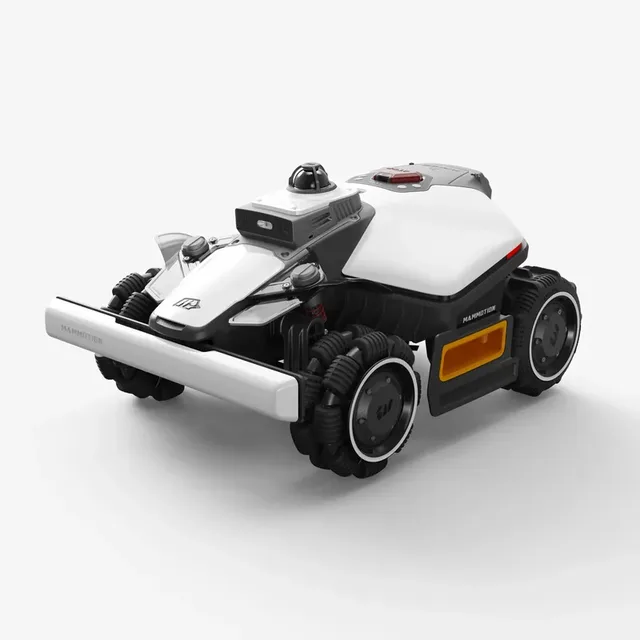
Robotic mowers use two main navigation approaches. Traditional models rely on a buried boundary wire that creates an electromagnetic signal defining the mowing area. The mower detects this signal and stays within bounds, typically using random or semi-random patterns to eventually cover the entire lawn. Newer wire-free models use RTK GPS (Real-Time Kinematic GPS) for centimeter-accurate positioning, combined with vision cameras and ultrasonic sensors for obstacle detection. RTK-equipped mowers follow precise, efficient mowing patterns similar to human mowing — straight parallel lines with systematic coverage. This results in faster, more even cuts and visible mowing stripes. Some advanced models combine GPS with computer vision to detect lawn edges, flower beds, and obstacles without any boundary markers at all.